For scientists, students and the curious.
The IsoGentiX Knowledge Base brings together clear, sourced articles and expert analysis on Madagascar's flora, biodiversity science, environmental law, data and living heritage. Free to read, for everyone.

IsoGentiX Knowledge Base : topics at a glance
Tap a theme to open its articles. Tap an article to go straight to it.
Five worlds on one island
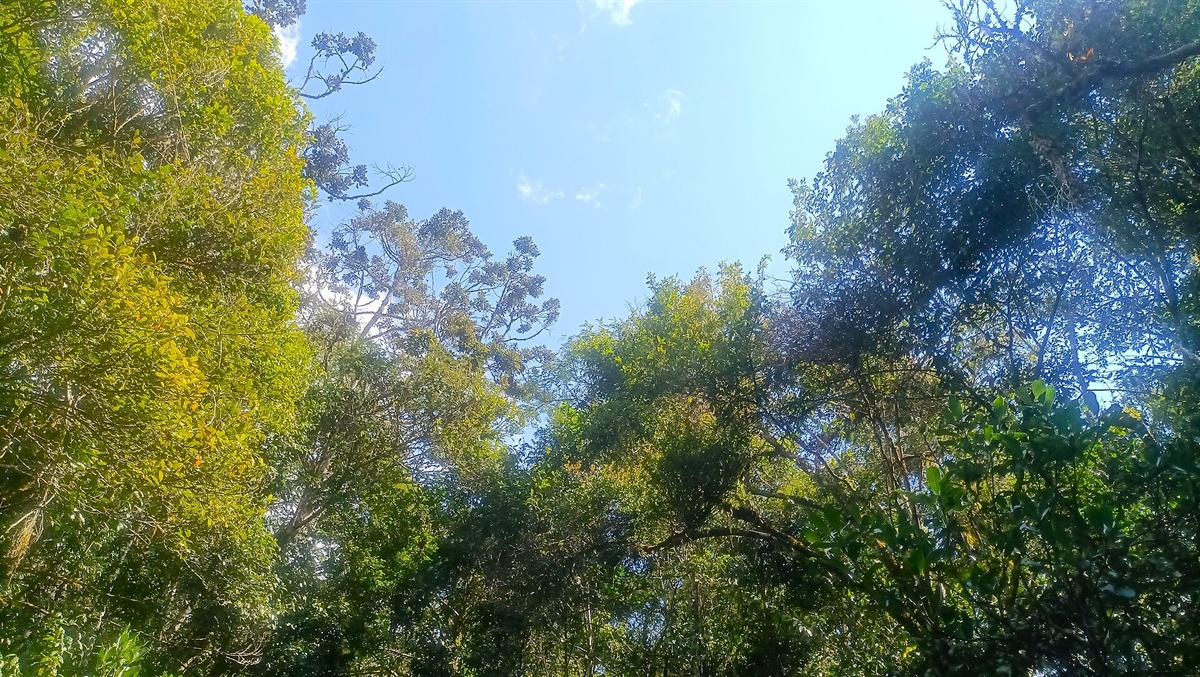 Biome
BiomeMadagascar's eastern rainforest
The green spine of the island, and the life it holds.
Read →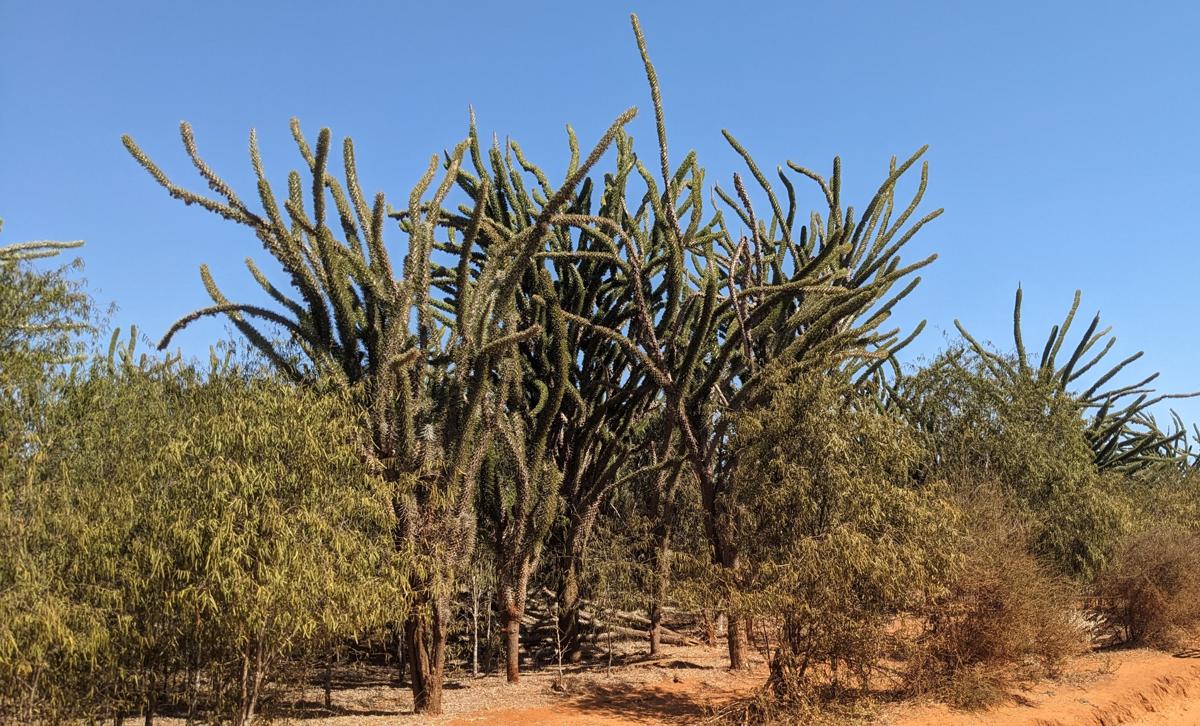 Biome
BiomeMadagascar's spiny desert
A botanical world found nowhere else on Earth.
Read →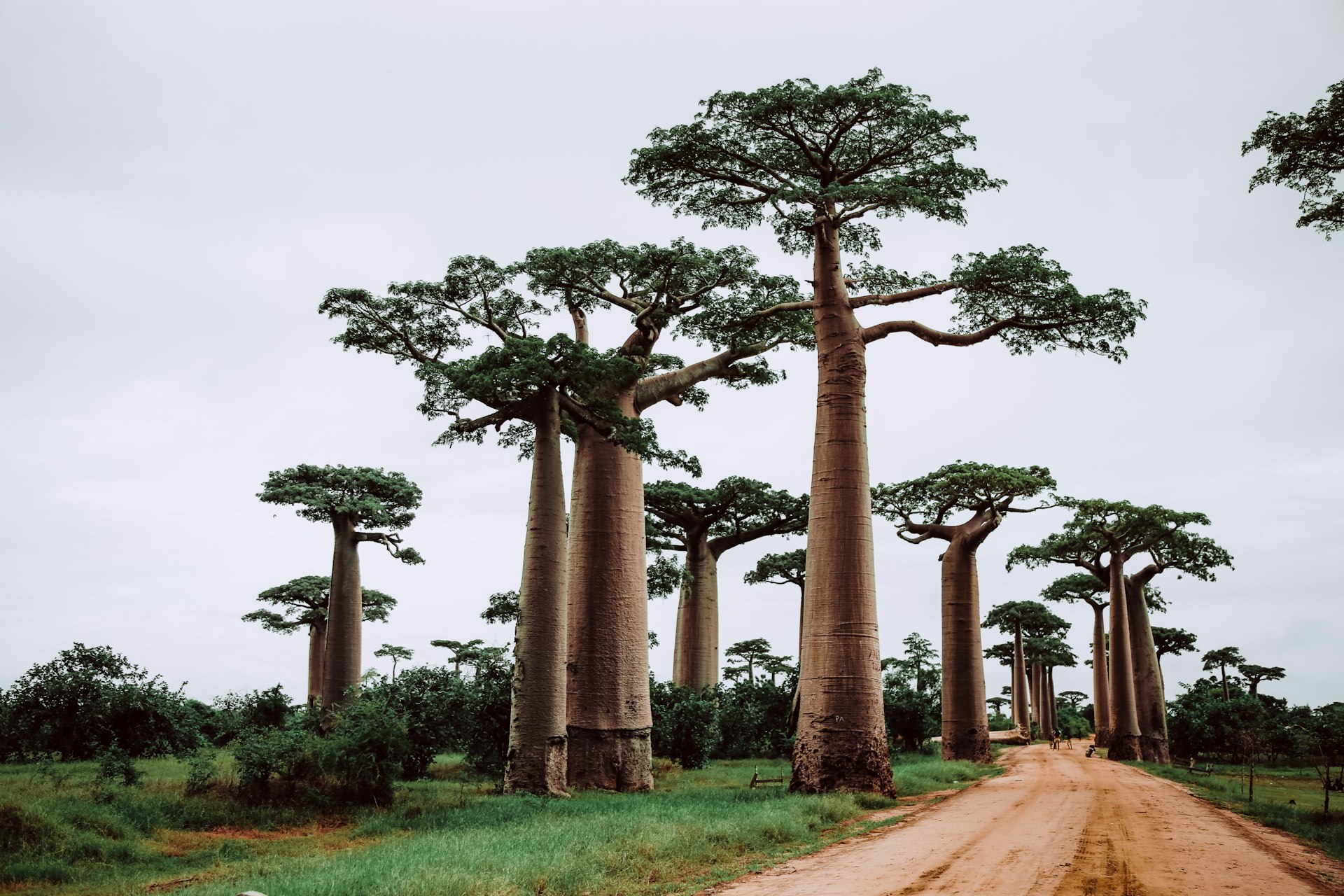 Biome
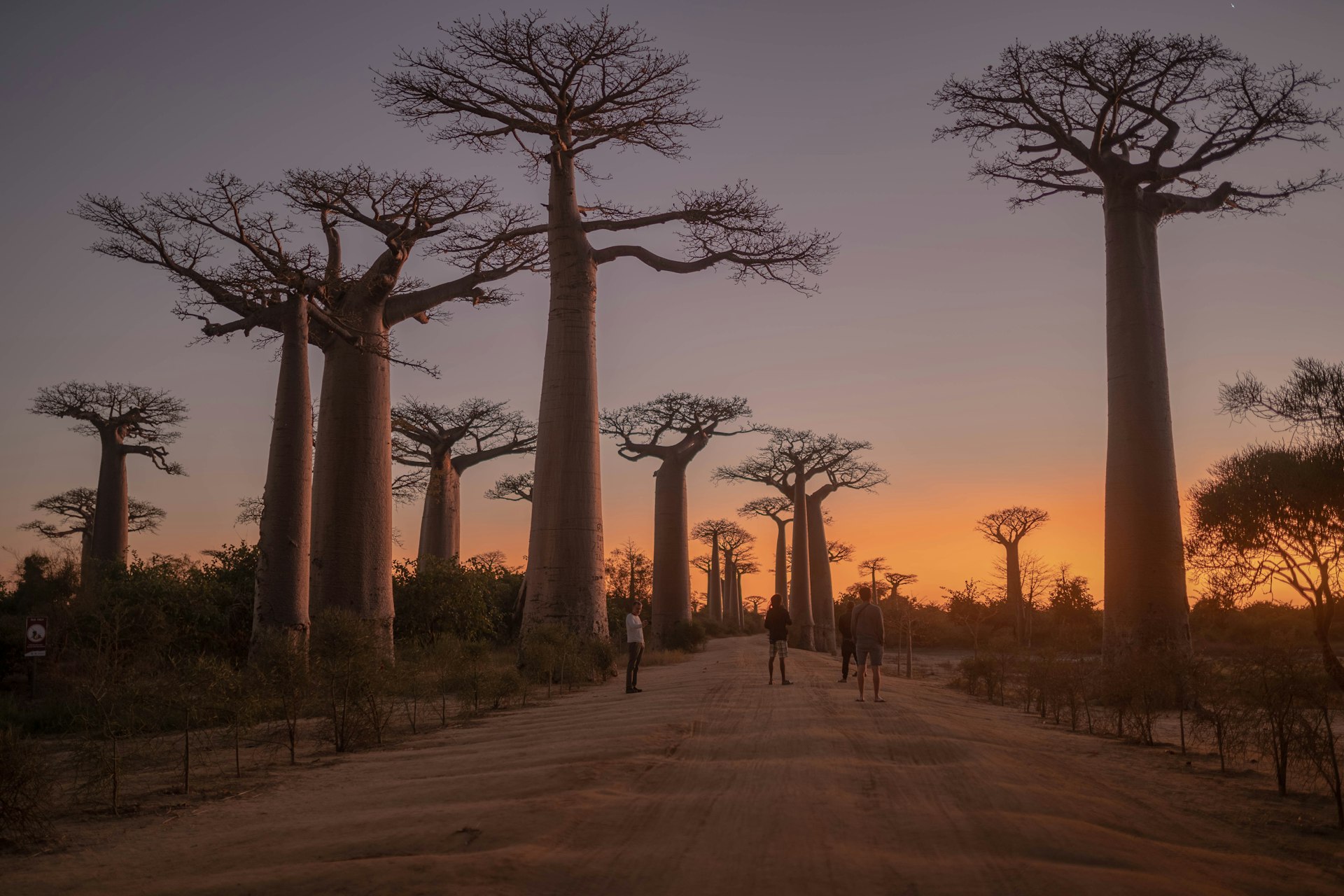
BiomeMadagascar's dry deciduous forests
Baobabs, rosewoods and forests that shed their leaves to survive the dry season.
Read →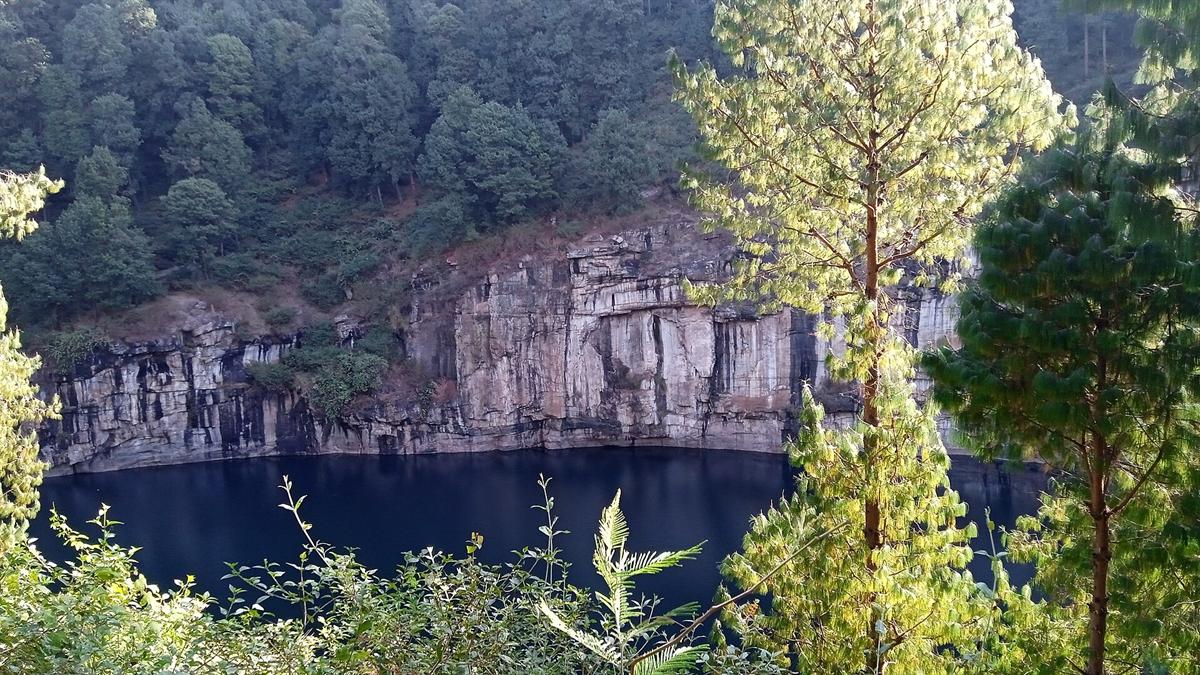 Biome
BiomeMadagascar's central highlands
Ancient grasslands, tapia woodland and a biome science misjudged for a century.
Read →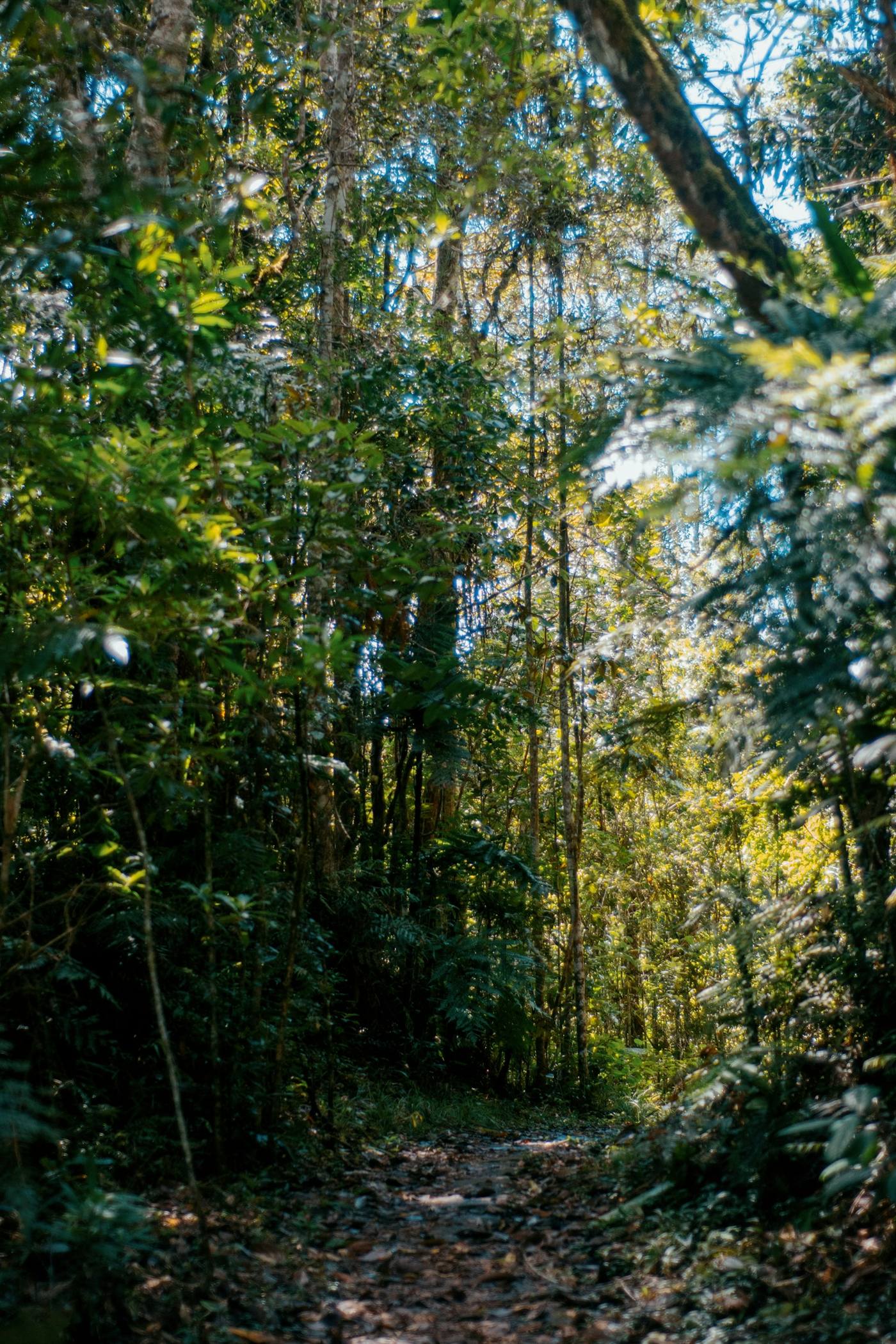 Biome
BiomeMadagascar's coastal and littoral forests
Mangroves and sand-forest fragments, the richest and most threatened lowlands.
Read →Why the island's flora is like nowhere else
 Ecology
Why Madagascar's flora is like nowhere else
How millions of years of isolation shaped Madagascar's unique flora.
Read →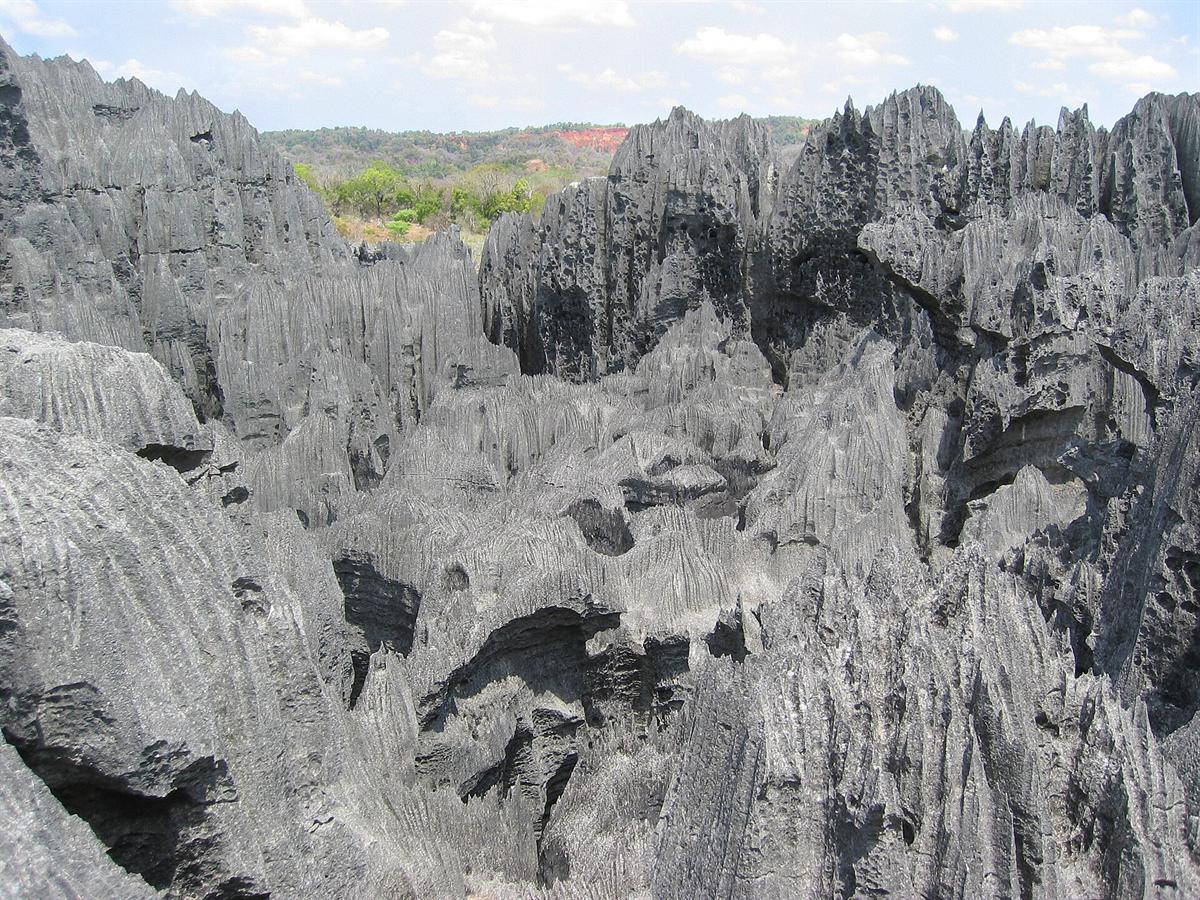 Biome
BiomeMadagascar's limestone karst (Tsingy)
Forests of stone where every canyon is a separate island.
Read →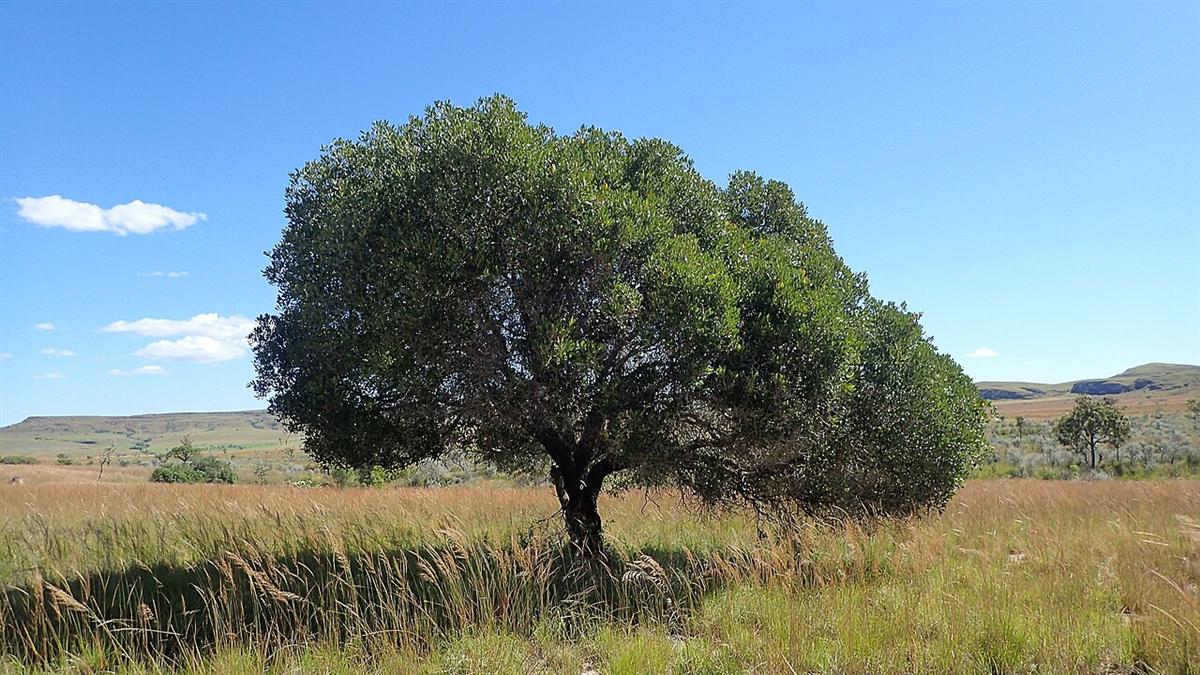 Biome
BiomeMadagascar's ultramafic soils
Plants that fill their leaves with nickel, on ground that poisons most life.
Read →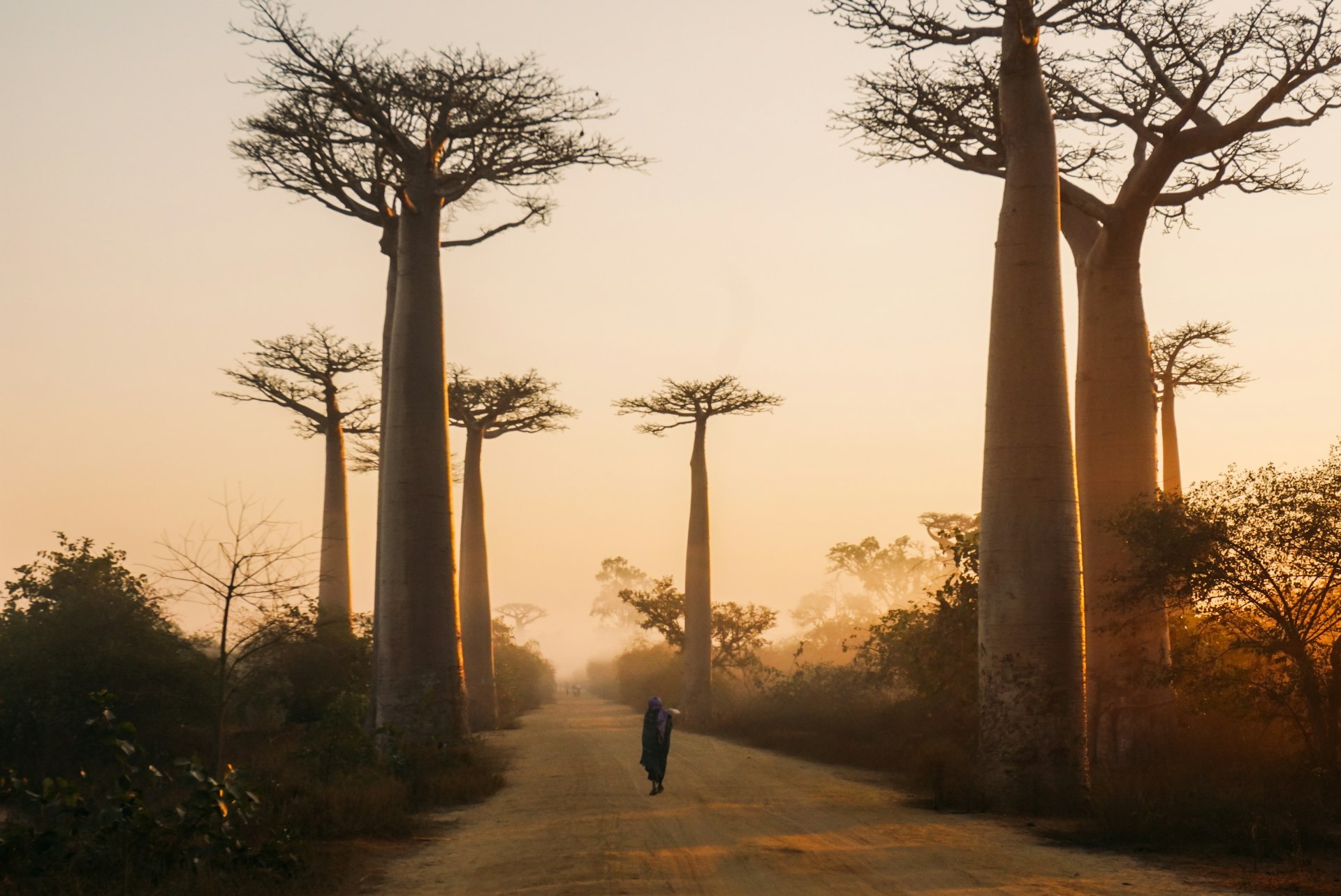 Data
DataHow Madagascar's endemic flora ranks globally
How its endemic flora ranks against the world.
Read →Biodiversity access, consent and benefit-sharing
 Governance
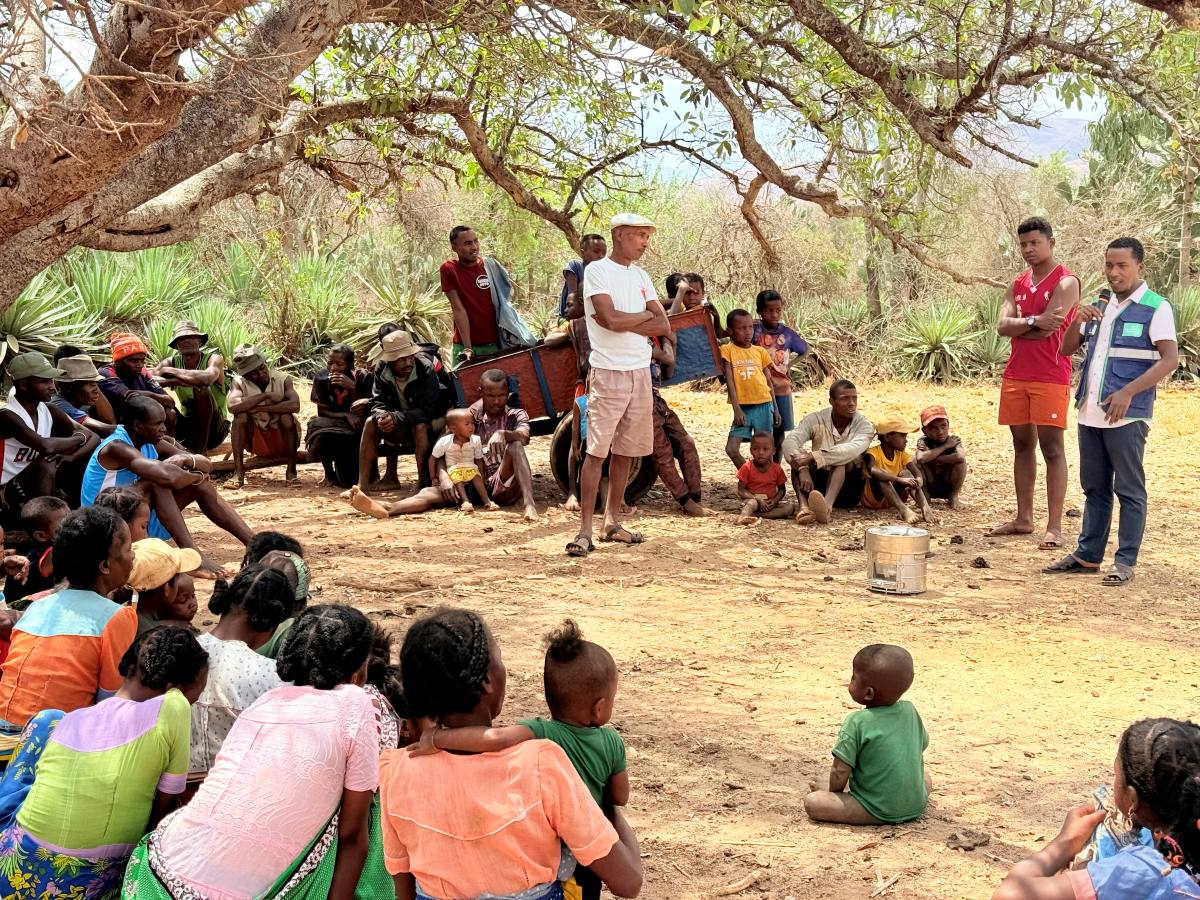
What the Nagoya Protocol means for access and benefit-sharing
Access and benefit-sharing, in plain language.
Read →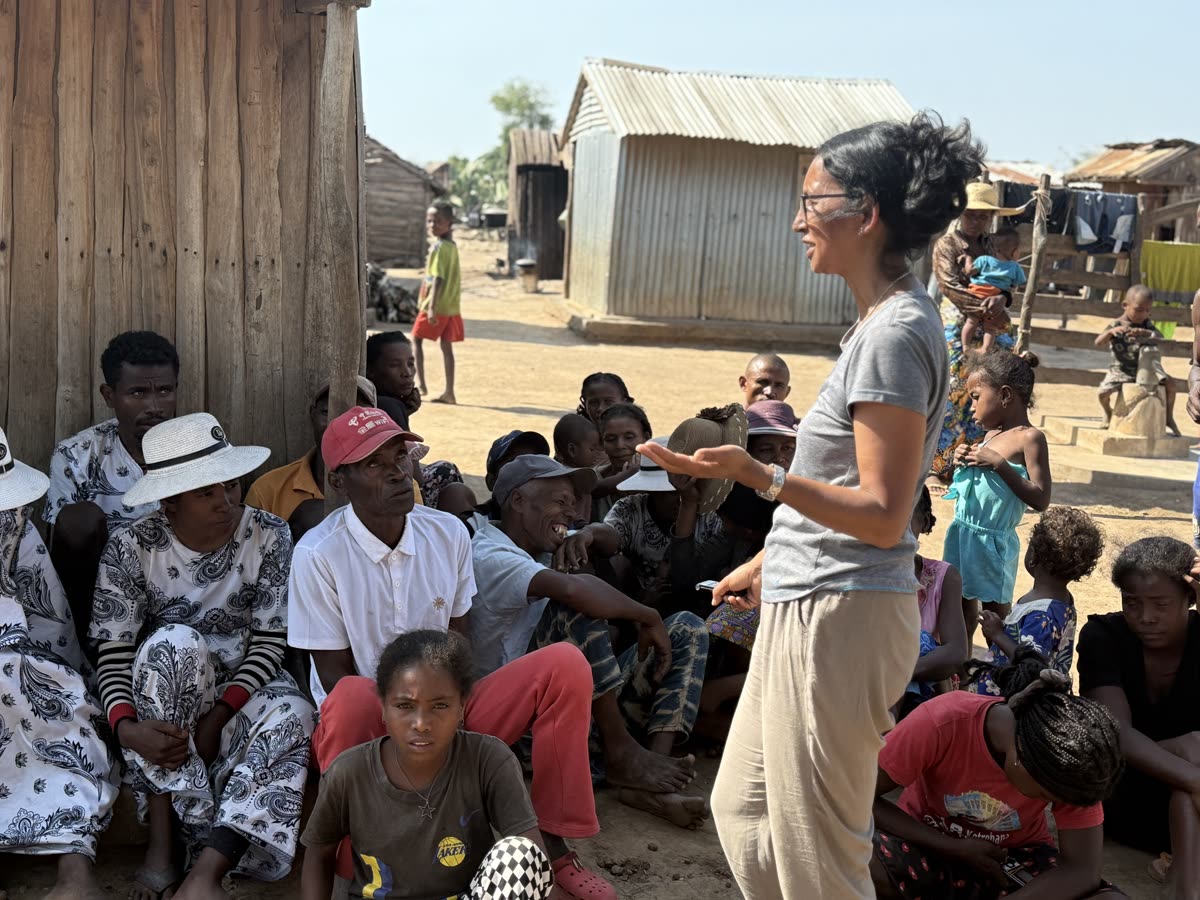 Ethics
Fair benefit-sharing
How value flows back to source communities.
Read →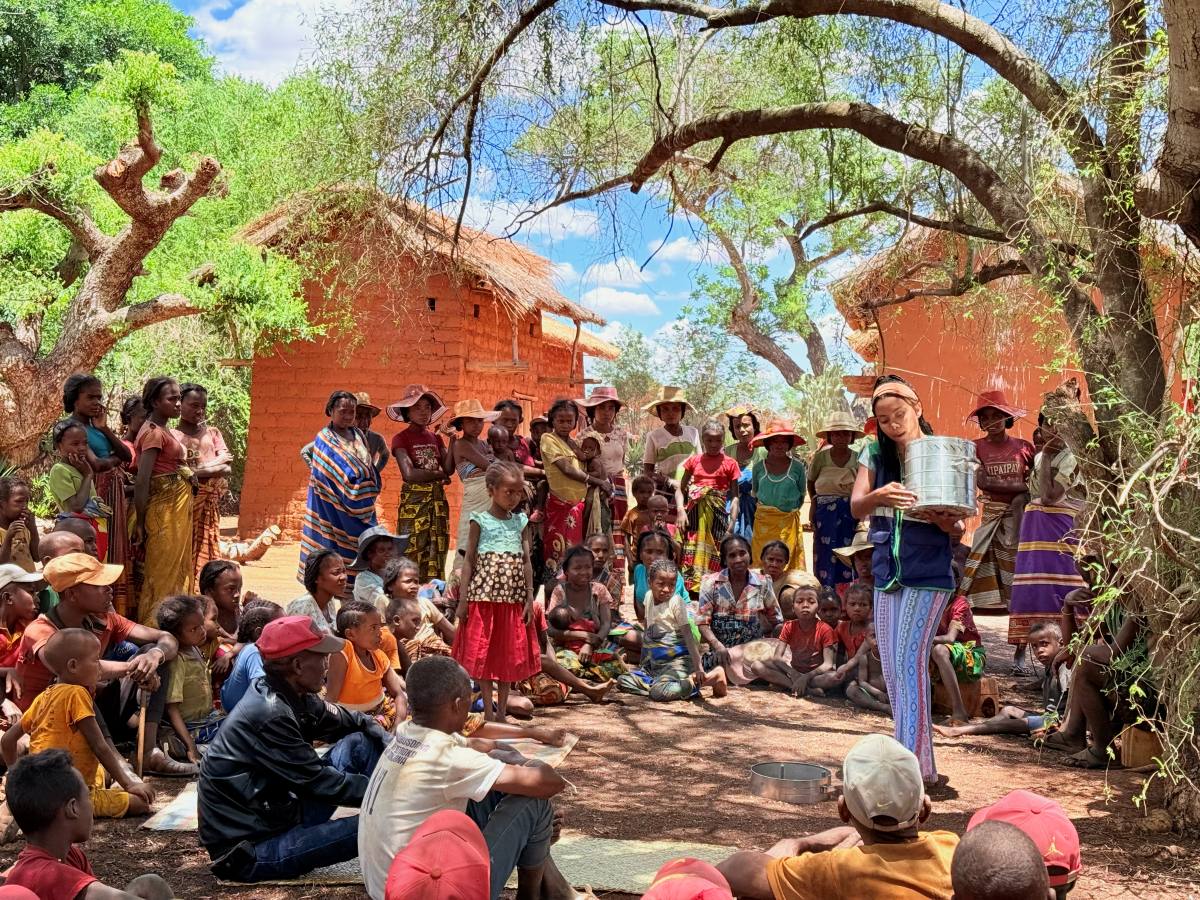 Ethics
Free, prior and informed consent
Why community consent comes first, always.
Read →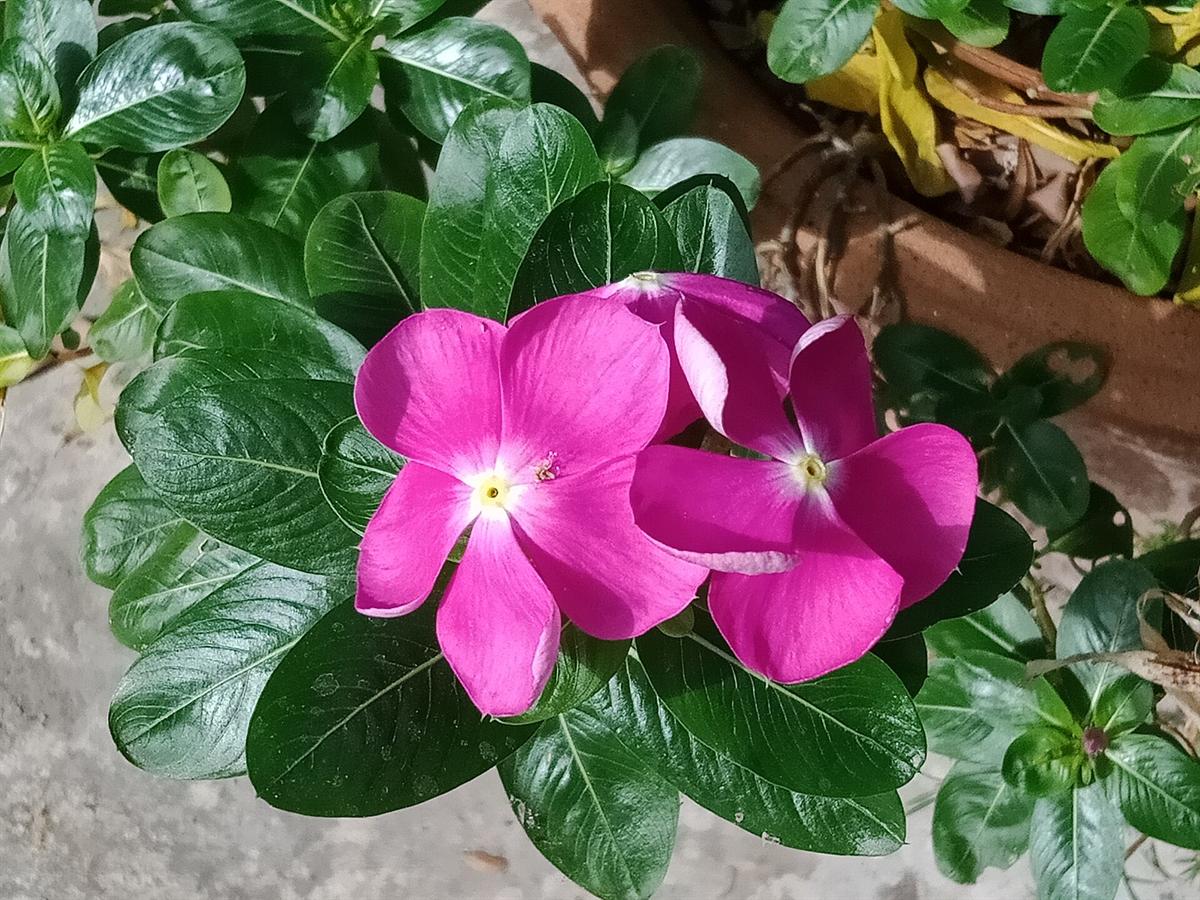 History
Madagascar's rose periwinkle (Catharanthus roseus)
How Madagascar's rose periwinkle reshaped the rules of fair access to genetic resources and benefit-sharing.
Read →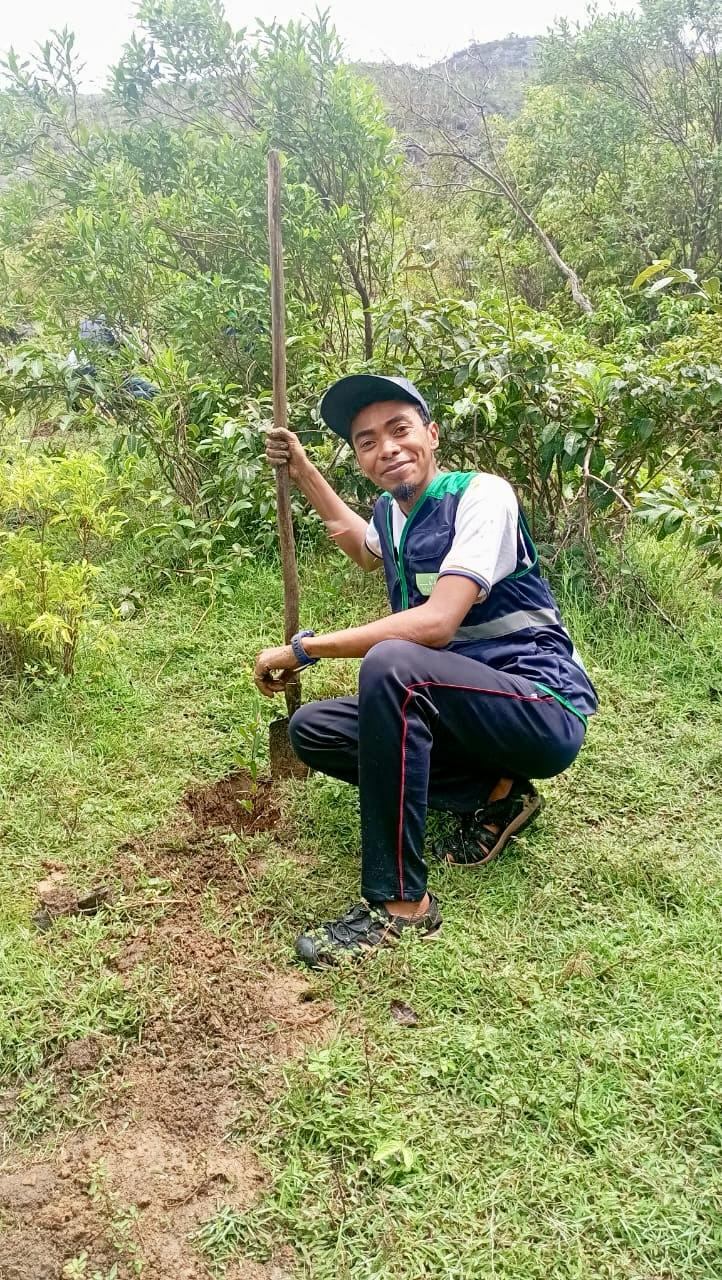 Ethics
Building capacity in Madagascar
Why the benefit that outlasts every cheque is skill.
Read →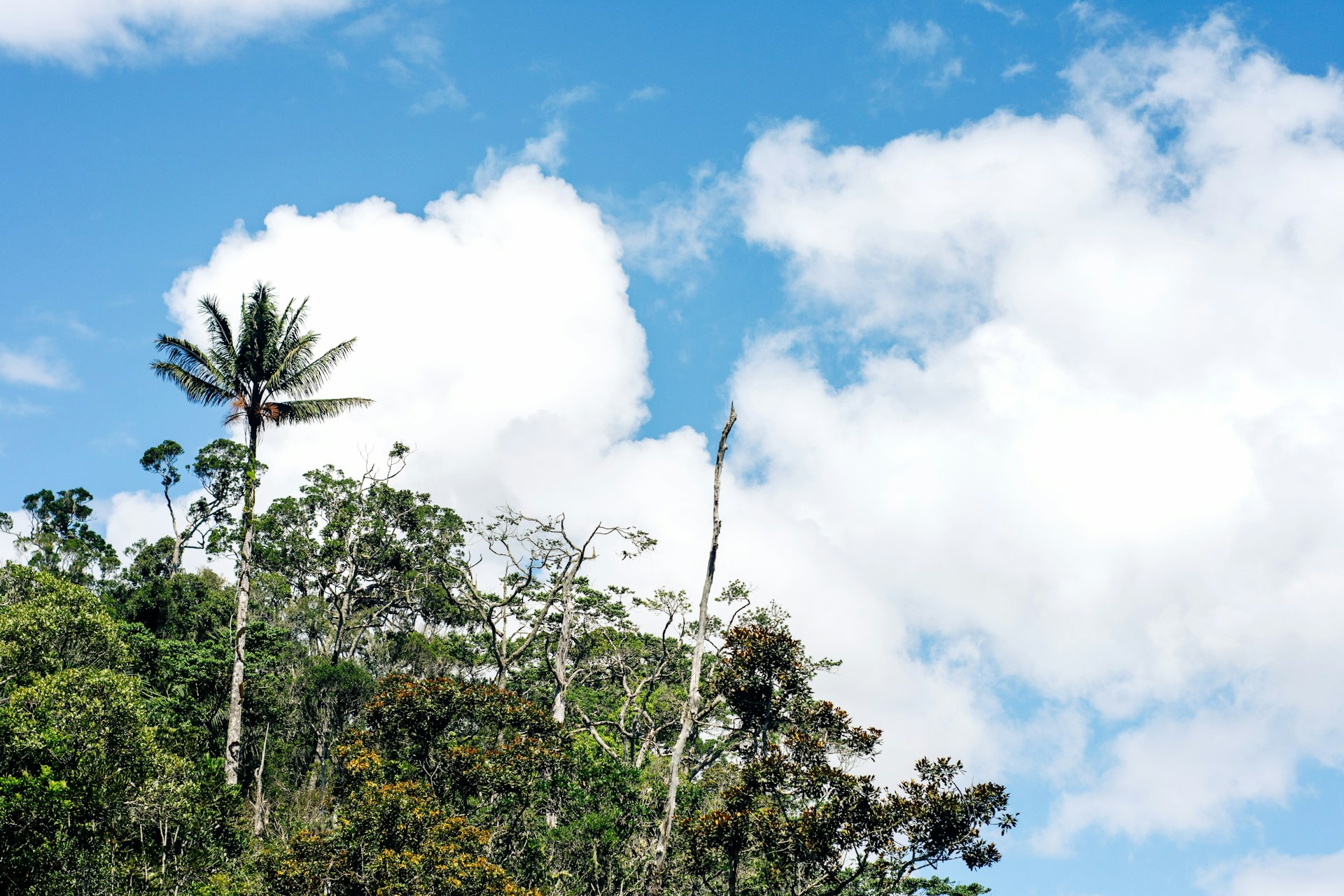 Governance
Digital sequence information (DSI) and the Cali Fund
How benefits are shared when digital data, rather than the physical plant, is used.
Read →Plants lost, found and newly named
 Species
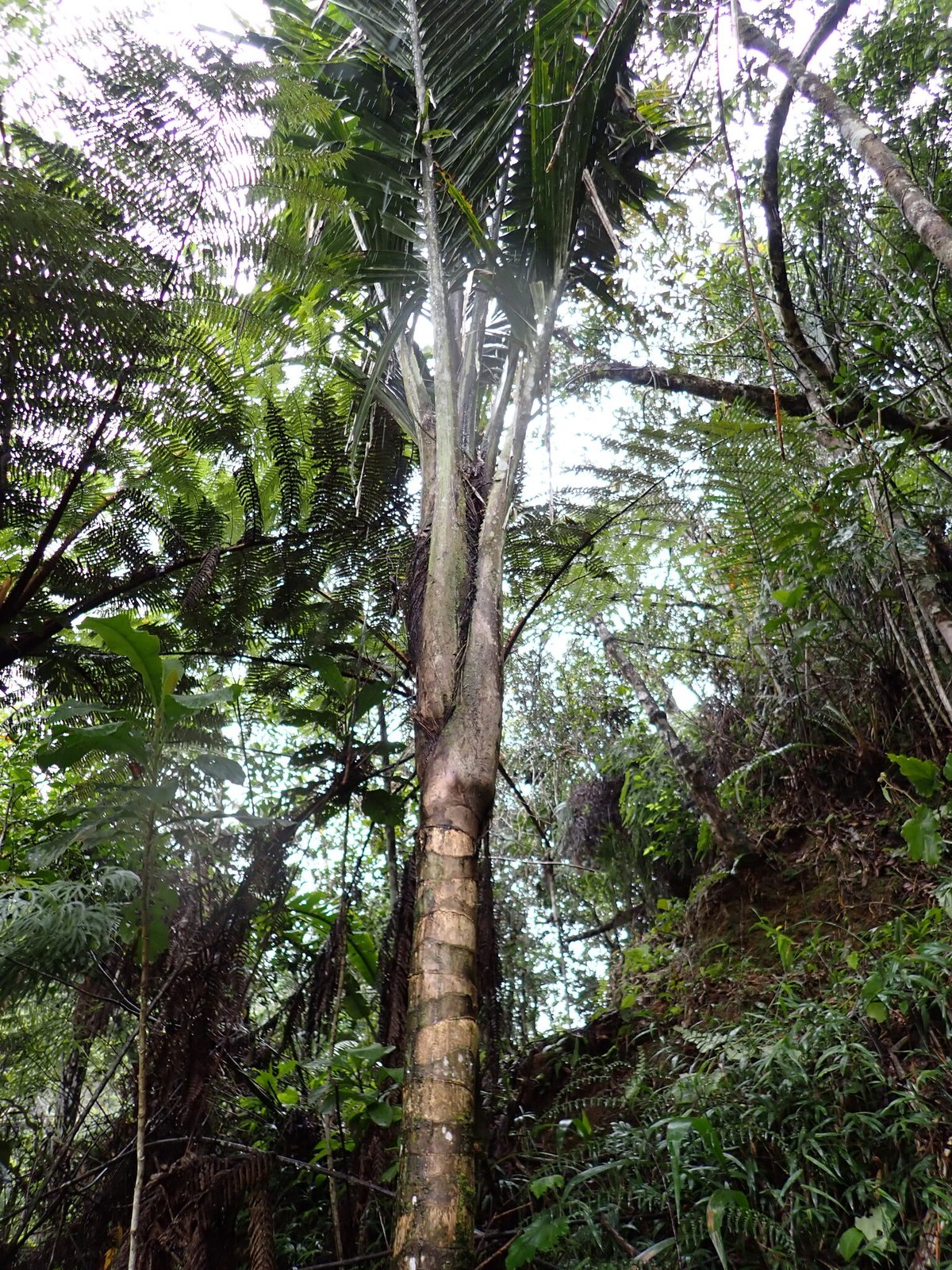
Lost, then found: a rediscovered Madagascar palm
What a century-lost palm teaches about how plants are still (re)discovered.
Read →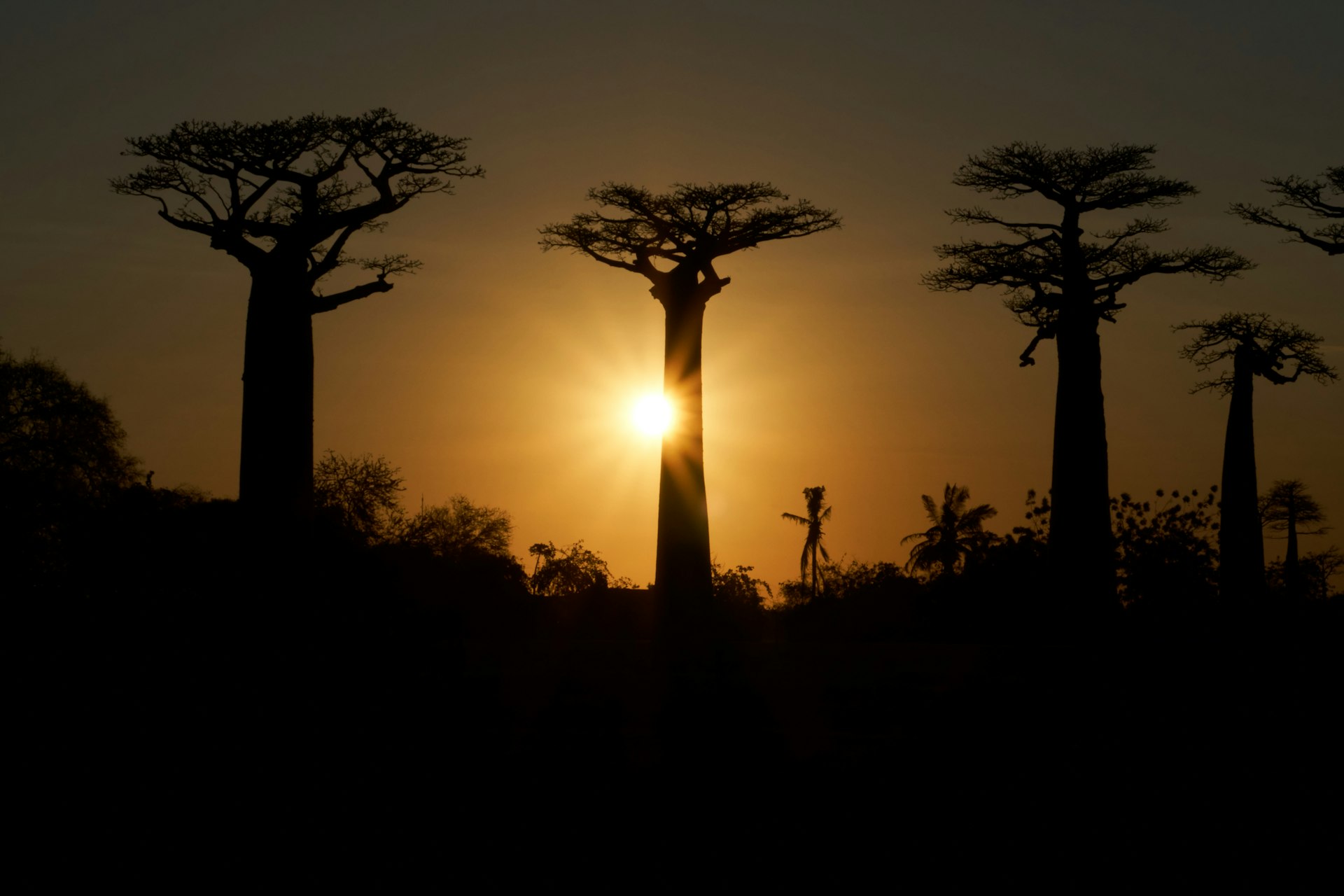 Species
A ninth baobab: the hidden species genetics found
How genome-scale analysis separated Adansonia bozy from A. za, and what a new name does for an endangered tree.
Read →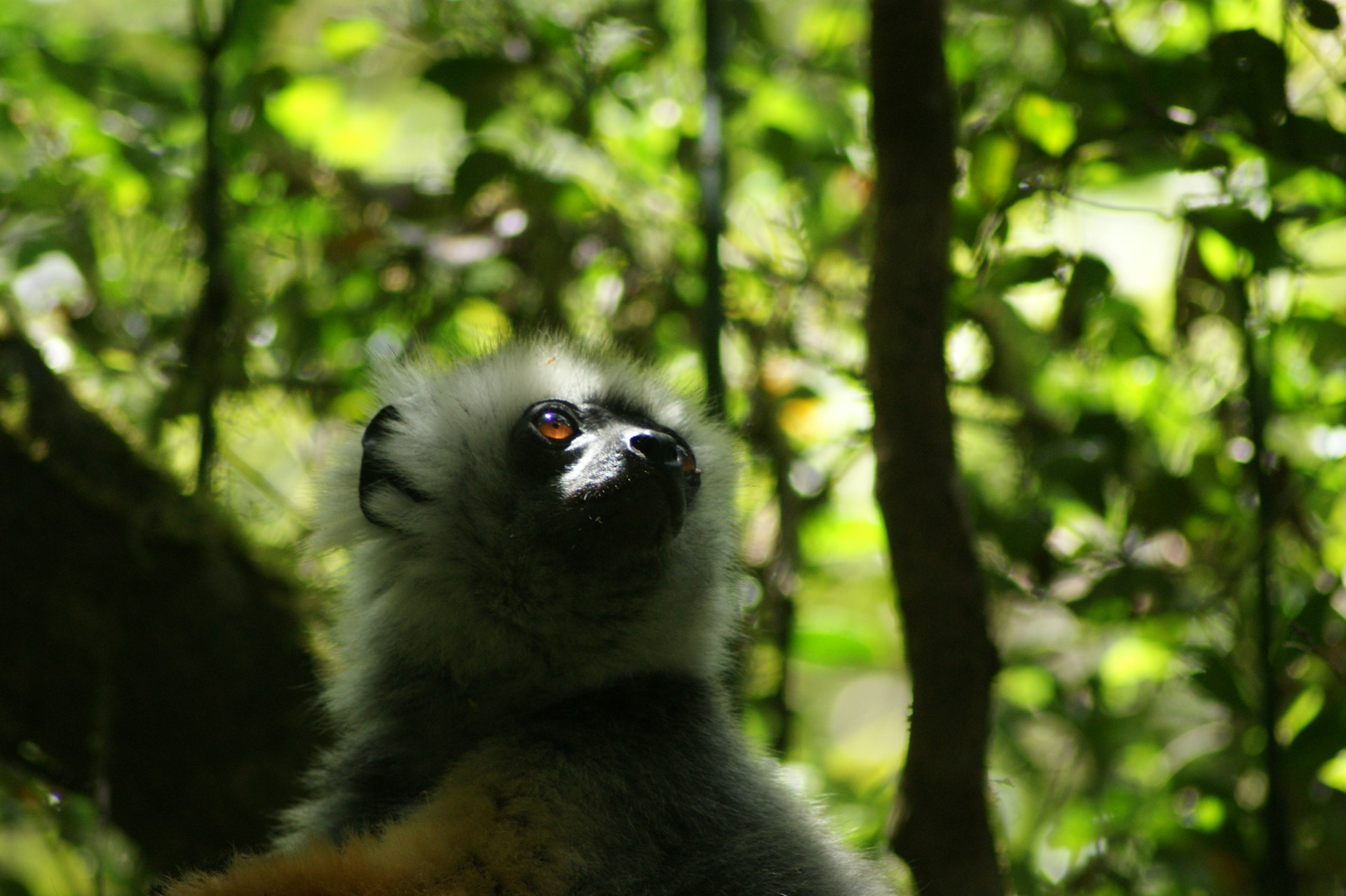 Species
Madagascar species of interest
A closer look at Madagascar's remarkable plants.
Browse →How the record is read
 Method
What "multi-omics" means for plant research
How multi-omics studies a plant at several biological levels at once, and why this approach is needed.
Read →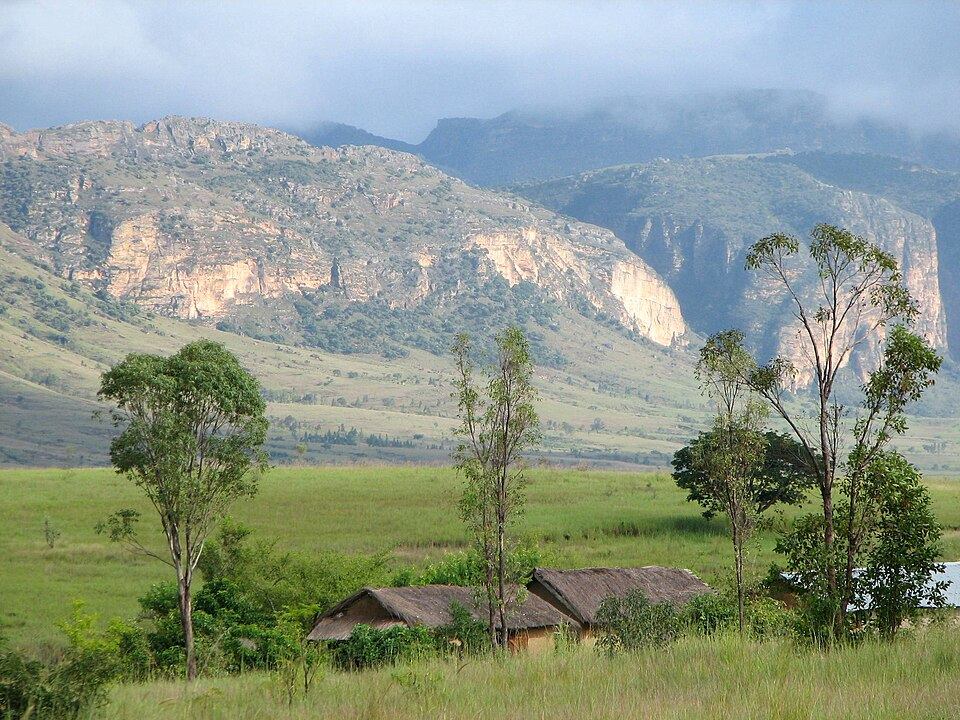 Method
Reading a landscape: what grows here, and how one site differs from the next
How scattered records become a site species list and an environmental profile for any area you draw, and why "little recorded" is a real answer.
Read → Method
Does DNA make traditional taxonomy obsolete?
Sequencing is transforming how species are found and named, not replacing the work. Why the world's flora needs sequencing now.
Read →PortalExplore Madagascar's flora records in the IsoGentiX Flora Portal
Search 50,128 species in the Flora Portal.
Open →No articles match that search. Try another word, or browse the FAQ.
Sources behind the IsoGentiX Flora Portal
The IsoGentiX Flora Portal draws on major herbaria, taxonomic resources and open biodiversity data sources. This section identifies the institutions and datasets used, with a focus on Madagascar and the other countries where IsoGentiX works.
Malagasy institutions and herbaria
PBZT / Tsimbazaza (TAN)
Parc Botanique et Zoologique de Tsimbazaza, Antananarivo. Madagascar's national herbarium and taxonomic authority.
Madagascar Catalogue
The Catalogue of the Vascular Plants of Madagascar, maintained by Missouri Botanical Garden with Malagasy partners.
Kew Madagascar Conservation Centre
Kew's in-country programme (KMCC), documenting and conserving Madagascar's plants and fungi.
FOFIFA (TEF)
The national centre for applied research in rural development, holding the TEF forestry herbarium.
Global names & classification
Plants of the World Online (POWO)
Kew's authoritative record of accepted names, distributions and descriptions for the world's flora.
Tropicos
One of the world's largest botanical databases, and the backbone of the Madagascar Catalogue.
International Plant Names Index (IPNI)
The registry of plant name publications, with the permanent identifiers used across systems.
World Flora Online
An open, consensus taxonomic backbone for all known plant species, built by a global consortium.
Biodiversity and genomic data sources
GBIF — Madagascar
The Global Biodiversity Information Facility: hundreds of millions of open occurrence records worldwide.
iNaturalist — Madagascar
Research-grade field observations, the strongest modern layer of contemporary distribution data.
GenBank — NCBI
The US National Center for Biotechnology Information's open archive of genetic sequence data.
IUCN Red List
The global standard for the extinction-risk status of species, including Madagascar's threatened flora.
Herbaria holding Madagascar's plants
Muséum national d'Histoire naturelle
The largest single collection of Madagascar's plants, including many irreplaceable type specimens.
Royal Botanic Gardens, Kew
One of the world's foremost herbaria, and the home of POWO, WCVP and IPNI.
Missouri Botanical Garden
Decades of Madagascar fieldwork and the institutional home of the Madagascar Catalogue.
Conservatoire et Jardin botaniques
Geneva's historic collections, a major holder of African and Malagasy specimens.
Searchable FAQ on Madagascar's flora, biodiversity data, the Flora Portal and ethics.
Clear answers on Madagascar's flora, the IsoGentiX Flora Portal, biodiversity data and ethics, written for people and structured to be readable by AI systems and machines.