Decode nature.
Protect it.
We add to the record of the plant world and decode it, turning new science into knowledge nations can use and protect.
Learning from millions of years of evolution,we decode nature: turningdata into information,information into knowledge, andknowledge into action,to protect ourprecious environment.
of isolation have given Madagascar a plant world that exists nowhere else on Earth.
* Figures from the IsoGentiX Flora database. How they update →
endemic species.
Around four in five of Madagascar's 13,685 recorded plant species grow nowhere else. The forest that holds them is shrinking. Documenting it now is part of protecting it.
* Figures from the IsoGentiX Flora database. How they update →
Why documenting it now matters.
Madagascar's flora is vanishing faster than science can record it. Much of what survives hangs on a single specimen, and almost none of it has been read at the genetic level.
Lost before they are known
Madagascar has lost roughly 40% of its forest cover since the 1950s. Two in three of its plants have never been assessed for extinction risk, and thousands of those that have are already threatened. When a forest goes, the species found only there go with it.
Sole specimens of endemic species held outside Madagascar
537 endemic species are known from just one preserved specimen, held somewhere on Earth. 499 of them sit in overseas herbaria, only 38 in Antananarivo. If that single sheet is lost, the physical record of the plant is lost with it.
The genome almost unread
Only 8 of Madagascar's 10,839 endemic plants have a chromosome-scale reference genome, and all were produced abroad. The deepest layer of knowledge a plant holds, its genome and its chemistry, is almost entirely missing, and what exists is not in the country's hands. Decoding it is part of protecting it.
No single institution holds it. We bring it together.
Madagascar's flora has been described for over two centuries, but the record is scattered across dozens of herbaria and databases, in several languages, much of it held only in overseas institutions.
The Flora Portal draws those fragments into one consolidated, fully sourced view, names, images, distribution and provenance, reconciled and traceable to where each came from. The Portal is more complete than any existing public database or herbarium record anywhere in the world. We establish this data for use in the country it comes from.
endemic species held only abroad
These species exist only in Madagascar, yet no specimen is held in any Antananarivo institution. Until now, they could be studied only through collections held overseas.
Open the record.
One searchable window onto Madagascar's flora, drawn from open sources and held under the nation's own authority.
* Figures from the IsoGentiX Flora database. How they update →

Business, put to a purpose.
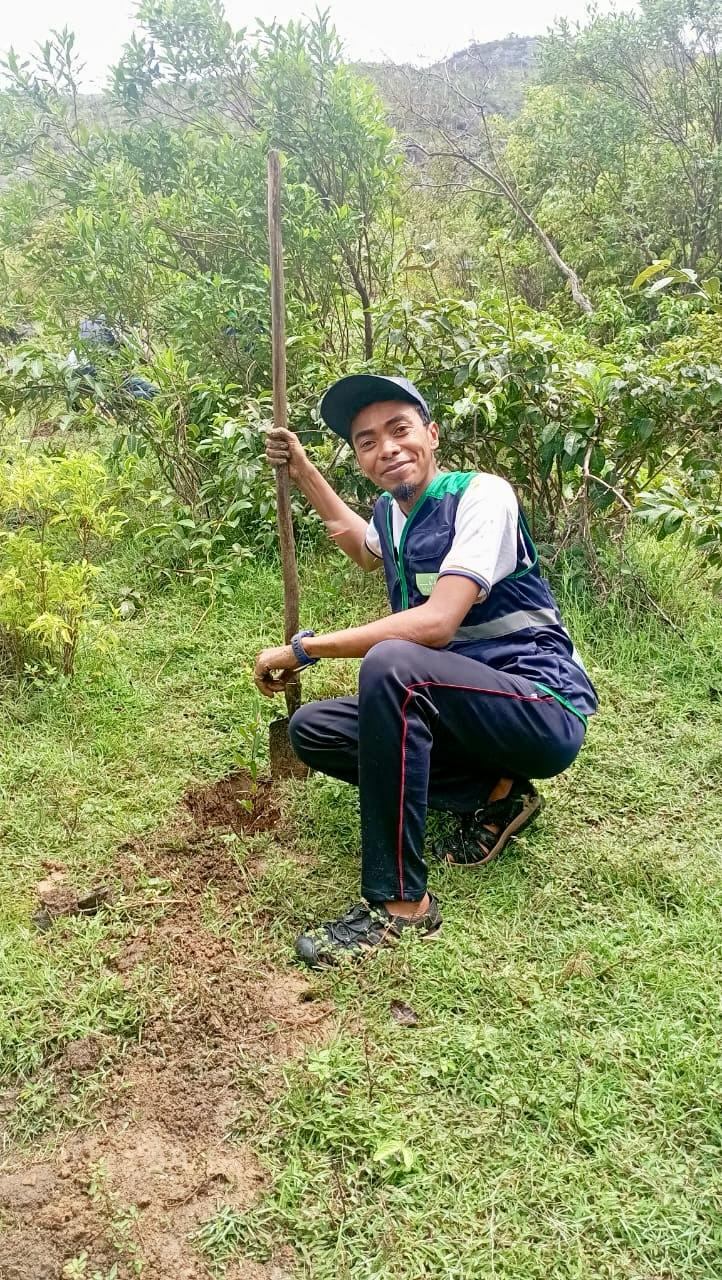
IsoGentiX is a commercial organisation with an impact mission. We use business to draw in the investment, philanthropy and partnership that fund the work, enhancing humanity's knowledge of its environment to improve life on Earth.
We gather the data. We decode it into structured information. We build knowledge. We enable action. We protect the environment and serve its people.
Built with the country, and for it.
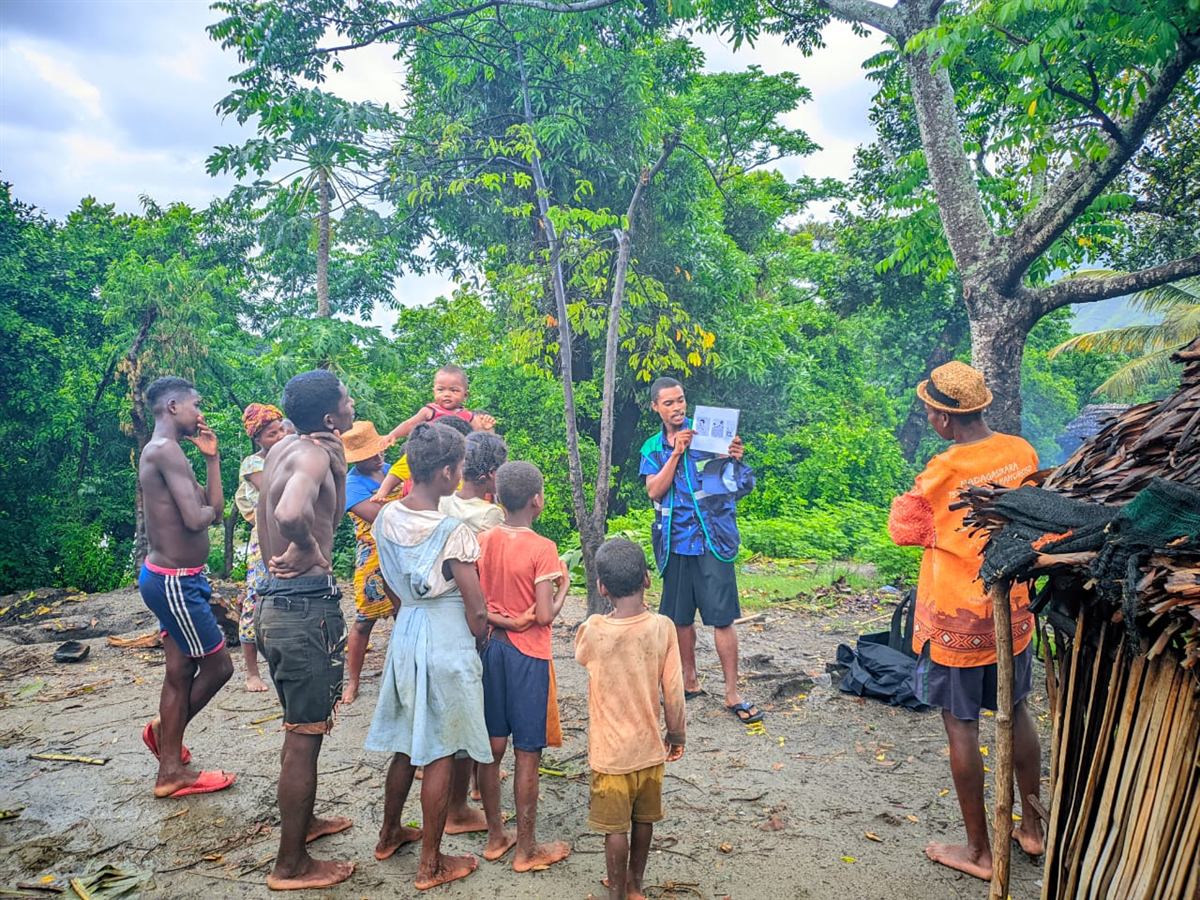
We help a country gather, decode and use the knowledge in its own biological record, working alongside its government and institutions. Access and benefit-sharing follow the Nagoya Protocol and free, prior and informed consent, so the value stays with the country and the communities it comes from.
Explore the work.
Search the flora
13,685 species, drawn from open sources into one record.
Open → Knowledge BaseUnderstand it
Clear, sourced articles for scientists, students and the curious.
Read → ResourcesGo further
The herbaria and open resources the record is built on.
Browse →* Figures from the IsoGentiX Flora database. How they update →